Fashion Forward: The Trends Defining Today's Style Landscape
This article examines the latest trends in fashion, exploring how various styles reflect personal streetwear identity and cultural evolution.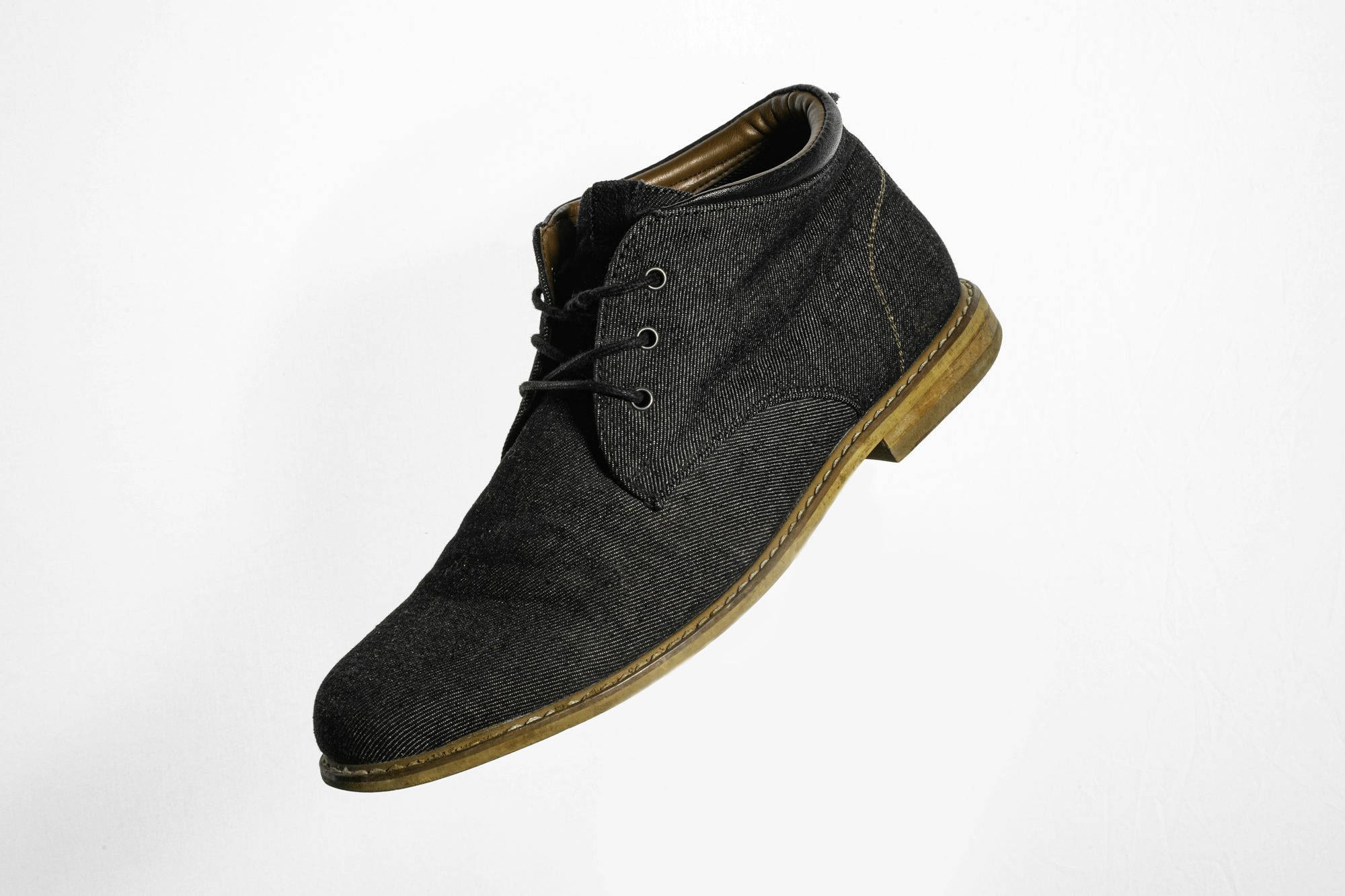
Casual wear continues to dominate everyday fashion, emphasizing comfort without sacrificing style. This category includes relaxed pieces like jeans, t-shirts, hoodies, and sneakers, all designed for easy movement and versatility. The recent rise of athleisure—a blend of athletic and leisurewear—has revolutionized casual dressing, allowing people to wear stylish workout gear in various settings. The beauty of casual fashion lies in its adaptability; a classic hoodie can be paired with tailored trousers for a chic look, or worn with joggers for a more relaxed vibe. This trend showcases the shift towards valuing comfort, enabling individuals to express their unique styles in their day-to-day lives while remaining comfortable.
Conversely, formal wear represents a realm of sophistication and elegance, tailored for special occasions and professional environments. This category includes business suits, polished dresses, blazers, and dress shoes. Formal attire allows individuals to present themselves with confidence and professionalism, making it essential for job interviews, corporate events, and weddings. The allure of formal fashion lies in the details—precise tailoring, high-quality fabrics, and tasteful accessories can transform a simple outfit into a statement of style. Wearing formal attire not only elevates one’s appearance but also conveys respect for the occasion, showcasing an understanding of the nuances of social etiquette.
Streetwear has emerged as a powerful trend in recent years, heavily influenced by urban culture and youth movements. Defined by its casual and edgy aesthetic, streetwear features graphic tees, hoodies, oversized silhouettes, and trendy sneakers. This style encourages individuality and self-expression, often incorporating elements of art and music culture. Collaborations with artists and musicians bring an added dimension to streetwear, turning clothing into wearable art. Limited-edition drops create excitement and exclusivity, making streetwear more than just a fashion choice—it's a lifestyle that resonates with a diverse audience. The impact of streetwear extends beyond fashion, shaping conversations around identity, culture, and social issues.
Bohemian (boho) fashion continues to inspire with its free-spirited, eclectic style. Characterized by flowing fabrics, vibrant prints, and a laid-back vibe, boho fashion draws inspiration from the hippie movement of the 1960s and 1970s. This style emphasizes individuality, encouraging wearers to mix and match various textures, patterns, and accessories. Key elements include maxi dresses, peasant blouses, and fringe details, often paired with layered jewelry and wide-brimmed hats. The charm of bohemian fashion lies in its relaxed nature, allowing individuals to express their creativity while embracing comfort. This aesthetic is particularly popular for festivals, beach outings, and casual gatherings, providing an opportunity for self-expression through unique combinations.
Vintage fashion is a celebration of past eras, allowing enthusiasts to explore styles from different decades. From the glamorous flapper dresses of the 1920s to the retro silhouettes of the 1970s, vintage clothing offers a distinct aesthetic that tells a story. Vintage fashion promotes sustainability by encouraging the reuse and repurposing of garments, a vital consideration in today's environmentally conscious society. Thrift stores and vintage shops provide treasure troves of unique finds, enabling individuals to create one-of-a-kind looks that stand apart from mainstream trends. Mixing vintage pieces with modern elements can create a dynamic look that bridges the past and present, celebrating the rich history of fashion while remaining relevant.
Gothic fashion represents a darker, more mysterious aesthetic that challenges conventional beauty norms. Characterized by black clothing, lace, leather, and dramatic makeup, gothic fashion is deeply rooted in alternative subcultures. This style invites individuals to embrace their uniqueness and express themselves without limitations. The layering of textures and bold accessories creates a striking visual statement, while makeup plays a crucial role in enhancing the overall effect. Gothic fashion is about more than just clothing; it’s an art form that allows wearers to explore their identities and challenge societal expectations.
Preppy fashion, inspired by classic collegiate styles, emphasizes a polished and refined look. This category includes tailored blazers, crisp polo shirts, knee-length skirts, and loafers. Preppy fashion embodies timelessness and sophistication, making it a staple in many wardrobes. The use of vibrant colors and patterns—such as stripes and plaids—adds a lively touch to preppy ensembles, making them perfect for various occasions. The versatility of preppy clothing allows for easy transitions between casual and formal settings, providing a well-rounded wardrobe that reflects a polished personal style.
Minimalist fashion advocates for simplicity and functionality, promoting a curated wardrobe of essential pieces in neutral colors. This style emphasizes quality over quantity, encouraging individuals to invest in timeless designs that can be mixed and matched effortlessly. A classic white shirt or tailored trousers can serve as the foundation for a multitude of outfits, showcasing the power of simplicity. Minimalism resonates with those seeking clarity and purpose in their fashion choices, allowing individuals to express themselves while maintaining a clean, polished look. This trend is particularly appealing in today’s fast-paced world, where the focus on fast fashion is increasingly questioned.
High fashion, or haute couture, represents the pinnacle of luxury and artistry within the fashion industry. Characterized by exclusive, handcrafted designs created by renowned fashion houses, high fashion often pushes the boundaries of creativity and innovation. Attending a fashion show or wearing a couture gown is not merely about the clothing; it is an experience that showcases the artistry and vision of the designer. High fashion sets trends and inspires mainstream styles, making its impact felt throughout the fashion landscape. While access to haute couture may be limited, its influence inspires designers and fashion enthusiasts to explore new creative horizons.
Ethnic and cultural fashion celebrates the richness of global diversity, showcasing unique textiles, patterns, and traditional garments that reflect cultural heritage. This style encourages appreciation for different cultures, fostering an understanding of the artistry and craftsmanship involved in ethnic clothing. Wearing ethnic-inspired pieces allows individuals to connect with and honor their roots while promoting inclusivity and respect for cultural differences. From colorful saris to intricately designed kimonos, ethnic fashion highlights the beauty of various traditions, making it a vital part of the contemporary fashion narrative.
Retro fashion combines elements of vintage and modern styles, creating a nostalgic yet contemporary look. This trend invites individuals to embrace their fashion history while adapting it to current trends. Retro pieces—ranging from 70s-inspired flares to 90s grunge—celebrate the cyclical nature of fashion. The playfulness of retro fashion allows for creative expression, encouraging wearers to mix and match pieces to create unique ensembles that reflect their personal style. Thrift stores and vintage boutiques are often treasure troves for retro enthusiasts, providing opportunities to discover one-of-a-kind items that can be reimagined for today’s wardrobe.
In summary, the world of fashion is a vibrant and dynamic space where personal expression meets cultural evolution. Each style category—be it casual, formal, streetwear, bohemian, vintage, gothic, preppy, minimalist, high fashion, ethnic, or retro—offers a unique lens through which to view individuality and creativity. As trends continue to evolve, the importance of understanding and embracing these styles remains paramount, empowering individuals to tell their stories through the clothing they choose to wear. In a society where fashion is a form of art, celebrating our diverse narratives through style enriches our lives and enhances our understanding of one another.